
Written by: Opal Dental Clinic Dentist Team
Toothaches can be caused by cavities, inflamed gums, or bacterial buildup. Rinsing with mouthwash can help reduce bacteria and temporarily relieve discomfort.
Each mouthwash has a different function, ranging from antiseptics to herbal ingredients. Here are 10 mouthwash options, along with their advantages, disadvantages, and estimated prices.
Medical Mouthwash for Toothache
Minosep Red (Chlorhexidine 0.2%)
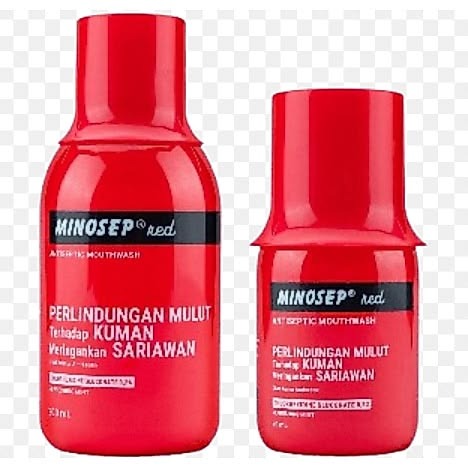
- Advantages:It is a medical antiseptic that is strong enough to help treat bacteria that cause swollen gums and can be used in wound care after tooth extraction.
- Disadvantages:If used continuously for more than 2 weeks, it can cause brown stains to appear on the teeth.
- Price forecasts: Rp35.000 – Rp50.000 (150 ml)
Betadine Mouthwash & Gargle (Povidone-Iodine 1%)
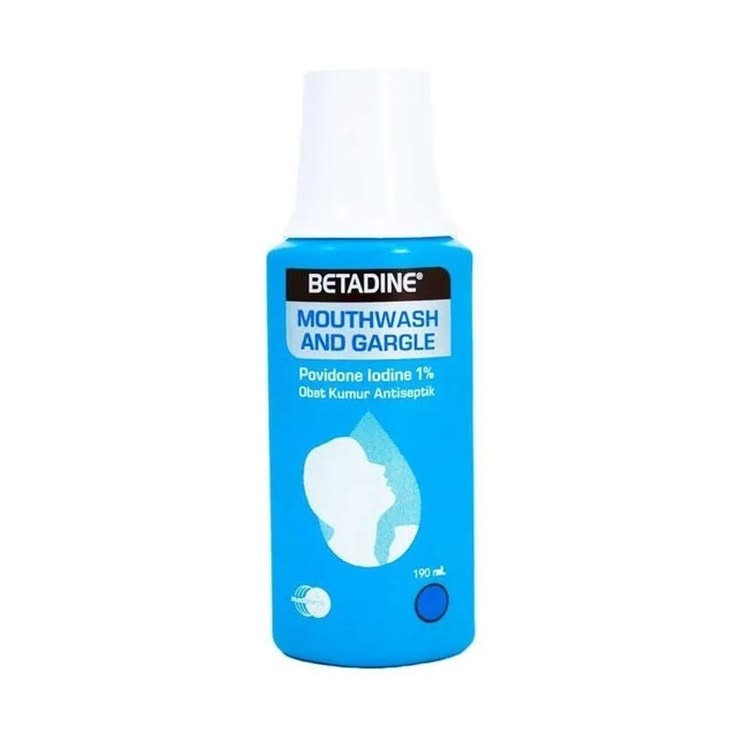
- Advantages:Helps eradicate various germs, bacteria, and fungi in the mouth area to the back of the throat.
- Disadvantages:It has a fairly strong medicinal taste and its use should be monitored by people with thyroid disorders.
- Price forecasts: Rp25.000 – Rp40.000 (190 ml)
Cooling 5 Plus Spray/Mouthwash
- Advantages:Contains Benzocaine and Phenol which can provide a quick numbing effect on sore teeth or gums.
- Disadvantages:The effect is only temporary and does not address the underlying cause of the infection or toothache.
- Price forecasts: Rp35.000 – Rp45.000 (15 ml)
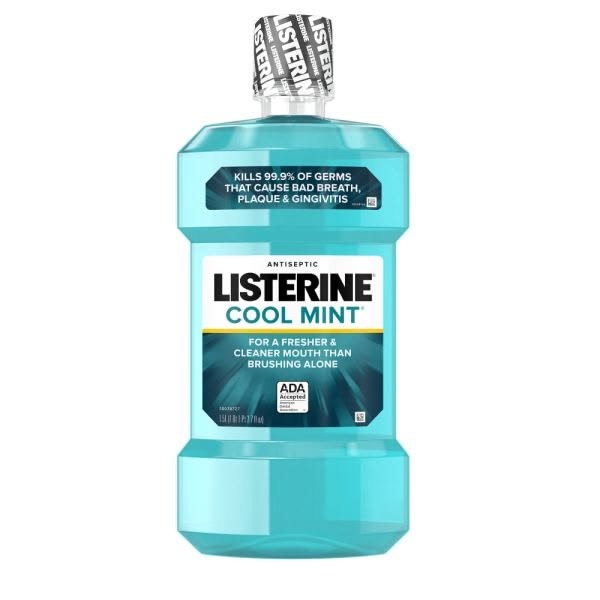
Listerine Zero Alcohol / Gum Care
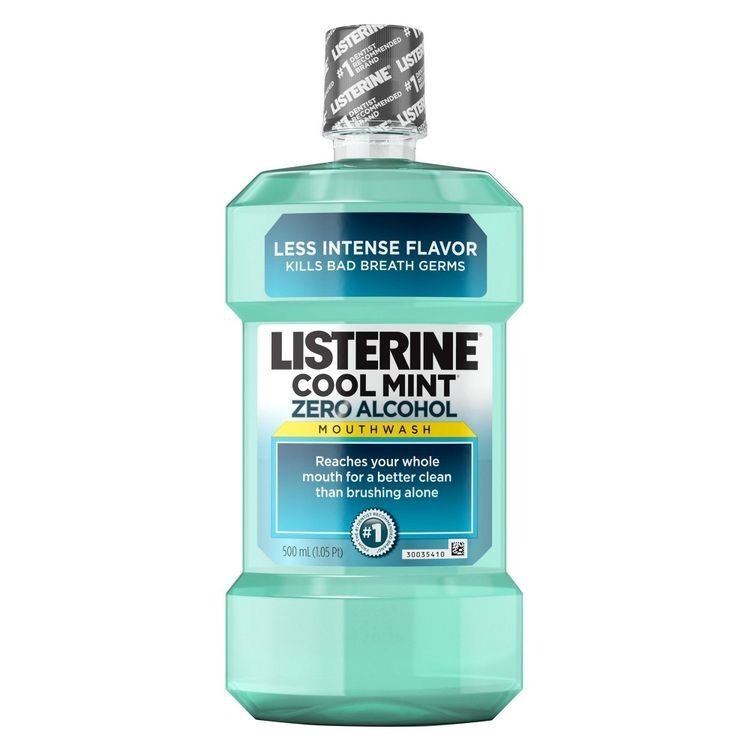
- Advantages:It does not contain alcohol so it is more comfortable to use and does not sting too much, especially for sensitive gums.
- Disadvantages:Less suitable for treating bacterial infections or inflammation that is already quite severe.
- Price forecasts: Rp25.000 – Rp45.000 (250 ml)
Hexadol Mint (Hexetidine 0.1%)
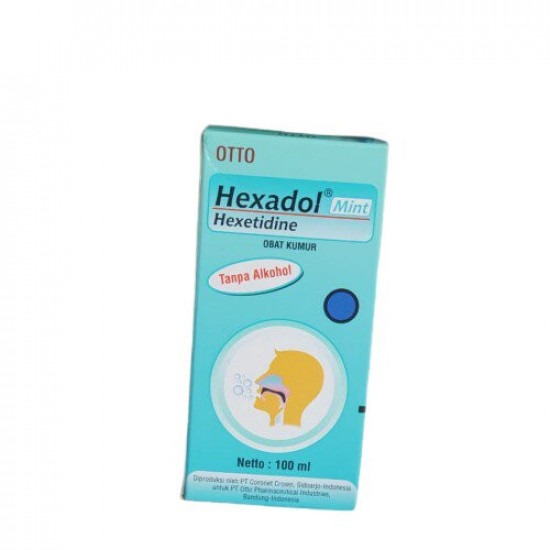
- Advantages:Can help treat gum inflammation, canker sores, and also help control bacteria in the mouth.
- Disadvantages:In some people, it can cause a dry feeling or a temporary change in taste on the tongue.
- Price forecasts: Rp30.000 – Rp45.000 (100 ml)
Recommended Herbal & Natural Mouthwash for Toothache
Warm Salt Water
- Advantages:It's easy to make, inexpensive, and can help reduce swelling and discomfort in the gums.
- Disadvantages:The results are not immediately felt and need to be done regularly several times a day.
- Price forecasts:Free (using kitchen ingredients)
Boiled Betel Leaf Water
- Advantages:Betel leaves contain ingredients that can help maintain oral hygiene, reduce bacteria, and help overcome bad breath and bleeding gums.
- Disadvantages:It must be made yourself and the boiled water cannot be stored for too long.
- Price forecasts:Rp. 5,000 – Rp. 10,000 per bundle
Turmeric Water Boil
- Advantages:Contains curcumin which has anti-inflammatory properties so it can help reduce inflammation of the gums.
- Disadvantages:If used too often, it can leave a yellowish tint on the teeth.
- Price forecasts: Rp5.000 – Rp10.000
Clove Oil Solution
- Advantages:Contains eugenol which is known to help reduce pain and provide a numbing effect on the painful area.
- Disadvantages:The taste is quite strong and can irritate the gums if used too thickly.
- Price forecasts:Rp. 15,000 – Rp. 30,000 (small bottle)
Commercial Herbal Mouthwash (example: Enzyme / Al-Afiat)
- Advantages:They are generally alcohol-free, use herbal ingredients or extracts, and can be an option for everyday use.
- Disadvantages:The price tends to be more expensive than regular daily mouthwash.
- Price forecasts: Rp30.000 – Rp60.000
A Guide to Using Mouthwash Safely for Children and Adults
An important consideration when giving mouthwash to children is their ability to gargle and spit it out. If a child cannot gargle and spit properly, especially if they are under 6 years old, it's best to avoid using medical-grade mouthwash to prevent swallowing.
- Adults: Mouthwash can be used according to the directions on the packaging. Generally, around 10–15 ml for 30–60 seconds, twice daily. For mouthwashes containing active ingredients like Chlorhexidine, use should be limited to a maximum of 14 consecutive days.
- Children (Ages 6+): Choose an alcohol-free mouthwash or one specifically formulated for children. If using a medical-grade mouthwash, it's best to do so under adult supervision. Warm salt water can be a simpler option.
- Children (Age <6 Years): The use of liquid mouthwash, whether medical or herbal, is not recommended unless under direct direction from a pediatric dentist.
When Should You Consult a Dentist?
It's important to remember that mouthwash only provides initial relief, controlling bacteria and reducing discomfort. It cannot repair cavities, remove tartar buildup, or treat remaining infected tooth roots.
Immediately check with your dentist if you experience any of the following conditions:
- Toothache continues for more than 2 days.
- The swelling begins to spread to the cheeks, face, or neck.
- Accompanied by fever, difficulty opening the mouth, or difficulty swallowing.
If you need further examination or want to get comfortable dental care, the Opal Dental team is ready to help provide appropriate examination and treatment.
Frequently Asked Questions (FAQ)
1. Can mouthwash cure toothache?
No. Mouthwash only helps temporarily reduce bacteria and inflammation in the mouth. Cavities still require treatment by a dentist, such as fillings or root canals, depending on the condition of the tooth.
2. How often can I gargle with Minosep or Betadine?
To help manage inflammation, use twice daily according to product instructions is generally sufficient. Chlorhexidine products like Minosep should not be used for more than two consecutive weeks, as they can cause discoloration of the tooth surface.
3. Is salt water really effective in relieving toothache?
Warm salt water can help reduce gum discomfort and swelling while also helping to clean the mouth. However, salt water is not a substitute for medical treatment if a toothache is caused by a cavity or infection.
4. Can children use mouthwash when they have a toothache?
Children over 6 years old can use a mouthwash specifically for children or gargle with warm salt water if they can spit and not swallow the liquid. For children under 6, it's best to consult a pediatric dentist first.